







Quick Answer
After hunting season ends, hunters should clean and inspect their firearms, properly store ammunition, maintain hunting gear, review their season's results, and prepare equipment for long-term storage. It's also a good time to organize hunting records, check remaining tags and reporting requirements, and begin planning for next season.
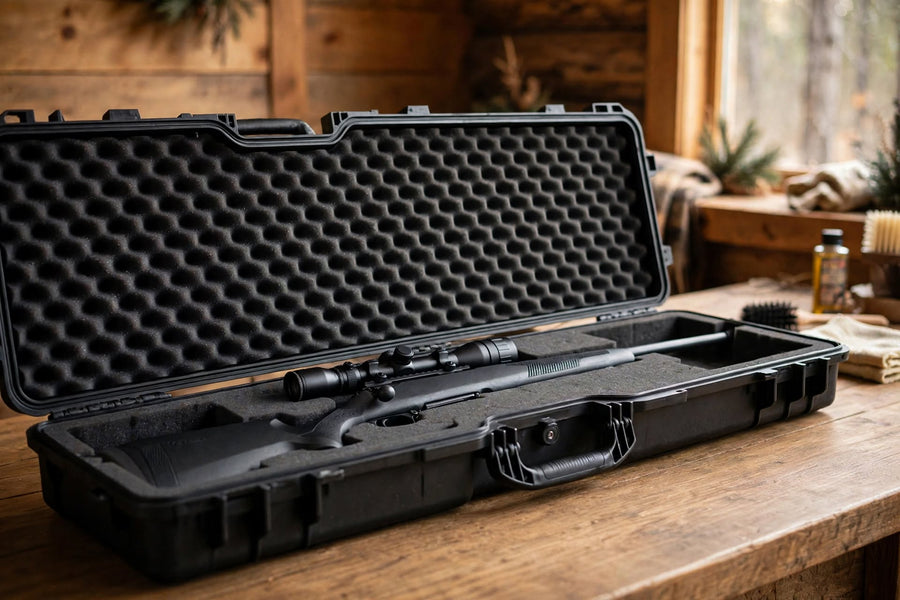
Post-season maintenance helps protect your investment in firearms, optics, clothing, and outdoor equipment. It can also reveal problems that might otherwise go unnoticed until the next hunting season.
The most important tasks are straightforward: inspect your equipment, address moisture and wear, store everything properly, and document anything that needs repair or replacement.
You don't need to complete every task in one day. A systematic checklist makes the process easier and helps ensure that essential equipment receives attention before being stored for several months.
Key Takeaways
- Clean, inspect, and properly store hunting firearms after the season, following manufacturer instructions and established firearm-safety practices.
- Check optics, mounts, slings, cases, and other accessories for damage, moisture, and wear before putting equipment away.
- Wash and dry hunting clothing, inspect boots and packs, and store gear in a clean, dry environment.
- Review ammunition storage conditions, remaining hunting licenses, harvest reporting obligations, and any applicable regulations.
- Use the off-season to evaluate what worked, identify equipment needs, and develop a realistic preparation plan for next season.
Why Post-Season Hunting Maintenance Matters
For many hunters, the final day of hunting season marks the beginning of several months when their equipment will see little use.
That downtime creates a valuable opportunity to address maintenance tasks that are easy to overlook during the season.
Firearms may have been exposed to rain, snow, condensation, dust, and temperature changes. Boots and clothing may contain trapped moisture. Hunting packs can accumulate dirt, debris, and forgotten supplies.
Even equipment that appears clean may benefit from inspection.
Protecting Your Equipment Investment
Hunting firearms, optics, boots, and other accessories represent a meaningful financial investment.
Proper maintenance can help prevent avoidable corrosion, deterioration, and premature wear.
It also gives hunters an opportunity to identify problems before they become more expensive or inconvenient.
A damaged sling attachment, cracked boot sole, or deteriorating storage case is easier to address during the off-season than immediately before opening day.
Avoiding Last-Minute Preparation
Waiting until the week before hunting season to inspect equipment can create unnecessary pressure.
Replacement parts may be unavailable, repairs may take longer than expected, and range schedules may be crowded.
Completing essential maintenance shortly after the season provides more time to resolve problems.
The goal is not to purchase more equipment. It's to make sure the equipment you already own remains serviceable.
Post-Hunting Season Checklist
| Task | Why It Matters | Priority |
|---|---|---|
| Clean and inspect firearms | Helps identify wear, moisture, and corrosion | High |
| Check firearm storage | Supports security and preservation | High |
| Inspect optics and mounts | Identifies damage or loose components | High |
| Review ammunition storage | Helps maintain safe storage conditions | High |
| Clean hunting clothing | Removes dirt, moisture, and odors | High |
| Dry and inspect boots | Helps prevent material deterioration | High |
| Empty and clean hunting packs | Removes debris and forgotten supplies | Medium |
| Inspect knives and field equipment | Identifies maintenance or replacement needs | Medium |
| Review hunting records | Supports future planning | Medium |
| Check harvest reporting obligations | Helps maintain regulatory compliance | High where applicable |
| Plan next season's budget | Helps prioritize necessary purchases | Medium |
1. Clean and Inspect Your Hunting Firearms

Firearm maintenance should be one of the first post-season priorities.
Even if a rifle or shotgun was fired only a few times, exposure to weather and environmental conditions may justify cleaning and inspection.
The correct maintenance requirements depend on the firearm's design, materials, and manufacturer recommendations.
Begin With Firearm Safety
Before cleaning or inspecting a hunting firearm, ensure it is unloaded and follow the manufacturer's prescribed safety procedures. Remove ammunition from the maintenance area, verify the chamber and magazine condition as directed by the owner's manual, and maintain a safe muzzle direction throughout the process. If the firearm's condition or maintenance requirements are uncertain, seek assistance from a qualified gunsmith or the manufacturer before proceeding.
Keep ammunition separate from the maintenance area.
Verify the firearm's condition using the procedures specified in its owner's manual.
If you're unfamiliar with a particular firearm's maintenance requirements, consult a qualified gunsmith or the manufacturer.
Never attempt unfamiliar repairs or modifications based solely on general advice.
Inspect Exterior Metal Surfaces
Hunting firearms frequently encounter moisture from rain, snow, and condensation.
Inspect accessible exterior surfaces for visible rust, discoloration, unusual wear, or damage.
Pay particular attention to areas that may have been exposed to moisture during the season.
If corrosion or damage is present, determine whether professional evaluation is appropriate before further use.
Use only cleaning products and protective treatments compatible with the firearm's finish.
Check the Stock and Exterior Components
Wood, synthetic, and laminated stocks have different maintenance considerations.
Wood stocks may be affected by prolonged moisture exposure and unsuitable storage conditions.
Synthetic stocks generally require less moisture-related care but can still develop cracks or other damage.
Inspect accessible exterior components for obvious wear or looseness.
Any suspected structural damage should be evaluated before the firearm is used again.
Follow Manufacturer Cleaning Recommendations
Cleaning requirements vary between bolt-action rifles, lever-action rifles, shotguns, and other firearm designs.
Consult the manufacturer's instructions for approved cleaning products, lubrication points, and maintenance intervals.
Avoid excessive lubrication, which may attract debris or migrate into areas where it does not belong.
If a firearm requires detailed disassembly or repair beyond routine owner maintenance, use a qualified professional.
2. Store Hunting Firearms Properly

Long-term storage deserves as much attention as cleaning.
An improperly stored firearm may be exposed to corrosion, unauthorized access, or accidental damage.
Use Secure Storage
Hunting firearms should be stored unloaded in a secure location that prevents unauthorized access. A suitable locked safe or storage system can provide an important layer of protection, particularly in households where children or other unauthorized individuals may be present.
Ammunition should also be secured, preferably in a separate locked location when practical, and all storage arrangements must comply with applicable laws and manufacturer recommendations.
A quality firearm safe or appropriate locked storage system can help prevent access by children and other unauthorized individuals.
A soft carrying case should not automatically be considered suitable for long-term secure storage.
Follow applicable storage laws and manufacturer guidance.
Control Moisture and Humidity
Excessive humidity can contribute to corrosion and damage to certain materials.
A clean, reasonably dry storage environment is preferable to an area with frequent condensation or large moisture fluctuations.
Depending on the storage environment, a suitable humidity-control product or monitoring device may be useful.
Avoid assuming that an enclosed case is moisture-free.
Inspect Storage Conditions Periodically
Long-term storage should not mean forgetting about the firearm entirely.
Periodic checks can help identify developing moisture problems, corrosion, or changes in storage conditions.
Follow the firearm manufacturer's recommendations for storage and preservation.
3. Inspect Hunting Optics and Accessories

Scopes, binoculars, rangefinders, and related accessories can experience substantial exposure to weather and handling during hunting season.
Post-season inspection helps identify damage before equipment is needed again.
Rifle Scopes
Inspect the exterior of the scope for visible damage, moisture, or unusual wear.
Check that protective caps and covers are present and functioning.
Look for signs of damage to the scope body or mounting system.
If you suspect an issue with a mount or optical alignment, consult the manufacturer's instructions or a qualified professional.
Avoid attempting internal optical repairs.
Binoculars
Binoculars often receive heavy use during hunting trips.
Inspect the lenses, eyecups, focus controls, and protective covers.
Remove dirt using cleaning methods approved by the manufacturer.
Avoid wiping abrasive debris directly across optical surfaces.
Store binoculars in a clean, dry location.
Rangefinders and Electronic Optics
Electronic equipment requires additional attention to batteries and storage conditions.
Follow the manufacturer's storage instructions for each electronic device. Equipment using removable batteries may benefit from battery removal during extended storage when recommended, while devices with built-in rechargeable batteries may require a specified storage charge or periodic maintenance. Inspect battery compartments for corrosion, avoid storing electronics while damp, and keep equipment within the manufacturer's recommended temperature and humidity conditions.
Inspect battery compartments for corrosion or damage.
Clean exterior surfaces using approved methods and avoid exposing equipment to moisture beyond its rated protection.
4. Check Slings, Cases, and Other Firearm Accessories

Small accessories can develop problems that are easy to miss.
Inspect firearm slings for frayed material, damaged stitching, and worn attachment hardware.
Check protective cases for broken zippers, damaged padding, and moisture accumulation.
Replace accessories that no longer provide dependable support or protection.
For cases used during transportation, verify that any required locks and security features remain functional.
5. Review Your Remaining Hunting Ammunition

Ammunition left over after hunting season should be inspected and stored appropriately.
The goal is to preserve suitable storage conditions and identify ammunition that may have been exposed to damaging environments.
Inspect Packaging and Storage Conditions
Check ammunition boxes for signs of water exposure, deterioration, or damage.
Look for visible abnormalities such as corrosion or damaged cartridges.
Do not fire, repair, disassemble, or attempt to restore ammunition that appears damaged, corroded, or otherwise questionable. Keep suspect ammunition secured and separate from usable ammunition until appropriate handling or disposal arrangements can be confirmed.
Contact the ammunition manufacturer or an appropriate local hazardous-waste or public-safety authority for guidance rather than placing questionable cartridges in ordinary household trash.
Follow manufacturer guidance for handling suspect ammunition and contact an appropriate disposal authority when necessary.
Store Ammunition in a Suitable Environment
Ammunition generally benefits from storage in a cool, dry location away from excessive heat, moisture, and unauthorized access.
Use suitable containers and follow the manufacturer's recommendations.
Clearly identifying ammunition by its original factory cartridge designation can help prevent confusion.
Keep ammunition secured according to applicable laws and household safety needs.
Review What You Actually Used
After the season, consider which ammunition performed reliably in your firearm and whether you have an adequate supply for future lawful activities.
Avoid purchasing ammunition solely because it is discounted.
Compatibility, manufacturer specifications, intended use, and storage conditions should remain the primary considerations.
6. Clean and Store Hunting Clothing

Hunting clothing often receives less attention than firearms, even though it can represent a substantial investment.
Jackets, base layers, insulated garments, gloves, and other apparel may accumulate moisture, mud, sweat, and debris.
Follow Garment Care Labels
Different materials require different cleaning methods.
Waterproof membranes, insulation, wool, and specialty fabrics may be damaged by inappropriate detergents or drying temperatures.
Always follow the garment manufacturer's care instructions.
Avoid assuming that every hunting garment can be washed and dried using the same settings.
Inspect for Damage
Before storage, look for torn seams, broken zippers, damaged cuffs, and worn fabric.
Small repairs may prevent further deterioration.
Check waterproof garments for visible wear and follow manufacturer recommendations for restoring any applicable water-repellent treatments.
Store Clothing Completely Dry
Moisture trapped in stored clothing can contribute to unpleasant odors, mildew, and material damage.
Make sure garments are fully dry before placing them in storage containers or closets.
Choose a clean environment that provides appropriate protection from moisture, pests, and excessive heat.
7. Inspect and Maintain Hunting Boots

Boots are among the most important pieces of hunting equipment because they directly affect comfort and mobility.
A season of walking through mud, snow, wet grass, and uneven terrain can cause significant wear.
Clean According to Material
Leather, rubber, and synthetic hunting boots have different maintenance requirements.
Remove accumulated dirt using methods appropriate for the material.
Follow manufacturer instructions concerning cleaning agents, waterproofing treatments, and drying.
Avoid exposing boots to excessive direct heat unless specifically permitted by the manufacturer.
Check Soles and Seams
Inspect outsoles for excessive wear, separation, or damage.
Look for deteriorating stitching, cracked materials, and worn closures.
Boots with compromised soles or waterproofing may become uncomfortable or unreliable in the field.
Address these problems during the off-season rather than immediately before a hunting trip.
Store Boots Correctly
Allow boots to dry completely before storage.
Keep them in a location protected from prolonged moisture, extreme heat, and direct sunlight where applicable.
Some materials may benefit from manufacturer-approved conditioning products.
8. Empty and Organize Your Hunting Pack

Hunting backpacks can accumulate a surprising amount of equipment during the season.
Emptying the pack completely is a useful post-season habit.
Inspect every compartment for forgotten food, batteries, packaging, damp clothing, and other items.
Clean the pack according to the manufacturer's recommendations.
Check Straps, Buckles, and Zippers
Inspect shoulder straps, waist belts, buckles, and zipper tracks for damage.
A broken buckle or worn strap may be a minor inconvenience at home but a major problem during a future hunting trip.
Check that load-bearing components remain in good condition.
Reorganize Essential Equipment
Separate items that require cleaning, replacement, or battery maintenance.
Review first-aid supplies and replace expired or damaged contents as appropriate.
Store sensitive electronics separately when recommended by their manufacturers.
An organized pack makes preparation easier when the next season approaches.
9. Inspect Knives and Field-Dressing Equipment

Hunting knives and field-processing equipment should be cleaned, inspected, and stored according to their manufacturers' instructions.
Check for corrosion, damaged handles, loose components, or deteriorating protective sheaths.
Use appropriate protective covers and secure storage to reduce accidental contact with sharp edges.
Equipment requiring specialized sharpening or repair should be serviced by someone qualified to perform the work.
Avoid storing dirty or damp equipment for extended periods.
Review Your Hunting Season
Equipment maintenance is only one part of post-season preparation.
The off-season is also an opportunity to evaluate the previous season and identify areas for improvement.
Review Hunting Notes
If you kept a hunting journal, review observations concerning weather, animal activity, habitat conditions, and time spent outdoors.
Look for recurring patterns rather than relying on a single memorable event.
Document observations accurately and avoid treating one season's results as a guarantee of future conditions.
Evaluate Equipment Performance
Consider which equipment performed well and which items caused inconvenience.
Did your boots remain comfortable?
Was your clothing suitable for the weather?
Did your pack provide enough storage without becoming unnecessarily heavy?
Were there accessories you repeatedly carried but never used?
These questions can help distinguish genuine equipment needs from unnecessary purchases.
Identify Skills to Develop
The off-season provides time to pursue education, practice, and outdoor skills.
Depending on your interests, useful activities may include hunter education, wildlife identification, navigation training, first-aid instruction, and supervised marksmanship practice.
Focus on skills that improve safety, preparedness, and responsible participation.
Check Harvest Reporting and Hunting Regulations
Some jurisdictions require hunters to report harvests or complete other administrative tasks.
Requirements may vary by species, license type, hunting method, and location.
Review the rules issued by the relevant wildlife agency.
Harvest reporting and tagging requirements may have deadlines tied to the time of harvest rather than the end of the hunting season. Hunters should complete all required reporting within the timeframe established by the relevant wildlife agency and should not postpone mandatory reporting until their final hunting trip. After the season, review records to confirm compliance and retain any documentation required by the jurisdiction.
Review Licenses and Permits
Hunting licenses and permits may expire at different times.
Check the expiration dates of relevant documents and note upcoming application or renewal periods.
Some hunting opportunities require advance applications, drawings, or additional permits.
Maintaining a calendar can help prevent missed deadlines.
Respect Property and Access Rules
If you hunted on private land, consider whether permission must be renewed before returning.
Land access arrangements can change between seasons.
Follow property-owner requirements and applicable public-land regulations.
Do not assume that permission granted for one season automatically applies indefinitely.
Build a Post-Season Maintenance Schedule
Not every task requires immediate attention, but organizing them by priority can make the process more manageable.
| Timeframe | Suggested Tasks |
|---|---|
| Immediately after the season | Address firearm maintenance, wet equipment, and required reporting |
| Within the following weeks | Inspect optics, clean clothing, maintain boots, and organize packs |
| During the off-season | Repair or replace worn equipment, review hunting notes, pursue training |
| Before the next season | Confirm regulations, inspect stored equipment, and complete necessary preparations |
A simple schedule can reduce the likelihood of overlooking important tasks.
Final Thoughts
Post-season hunting maintenance protects your equipment and makes preparing for the next season easier.
Prioritize firearm inspection and secure storage, cleaning and drying outdoor gear, checking ammunition storage conditions, and completing any outstanding harvest reporting requirements.
Use the off-season to address worn equipment, review your hunting experiences, and plan necessary improvements. A consistent maintenance routine is more valuable than purchasing new gear unnecessarily.
A thorough post-season routine does more than protect a hunting rifle during storage. It also gives hunters an opportunity to identify equipment that needs maintenance, replacement, or further evaluation before the next season begins.
This includes the scope, mounting hardware, sling, and other components that contribute to the complete hunting setup. Hunters considering a different rifle or optic configuration can also explore our guide to factory hunting rifle-and-scope packages to better understand the advantages and limitations of purchasing a complete package.

Norma Whitetail 270 Winchester 130 Grain Jacketed Soft Point
$32.80
at Pro Armory
Prices accurate at time of writing
Frequently Asked Questions
Should you clean your hunting rifle after every season?
Yes. Inspect and maintain it according to the manufacturer's instructions, especially after exposure to moisture or harsh conditions.
How should hunting gear be stored during the off-season?
Clean and thoroughly dry clothing, boots, and equipment before storing them in a suitable environment protected from moisture and excessive heat.
Should you remove batteries from hunting equipment?
Follow each manufacturer's long-term storage recommendations. Some devices benefit from battery removal to reduce leakage risks.
What should you do with leftover hunting ammunition?
Inspect the packaging and store suitable ammunition securely in a cool, dry location. Do not use damaged or questionable ammunition.
When should you start preparing for next hunting season?
Preparation can begin immediately after the current season. Early maintenance, training, and equipment inspections help prevent last-minute problems.
About the Author
The ProArmory editorial team includes experienced hunters, competitive shooters, military veterans, firearms instructors, and firearms industry professionals committed to producing accurate, practical, and research-based content. Our articles draw on manufacturer specifications, current industry information, and real-world shooting experience to help readers make informed decisions about firearms, ammunition, optics, and related equipment.
Disclaimer
This article is for educational purposes only. Follow manufacturer maintenance and storage instructions, established firearm-safety practices, and applicable hunting, reporting, and firearm laws. Consult qualified professionals when necessary.


