



Quick Answer
If you're visiting a shooting range for the first time, the most important things to bring are properly fitting hearing protection, impact-rated shooting glasses appropriate for the range, identification, suitable clothing, and any equipment required by the facility.
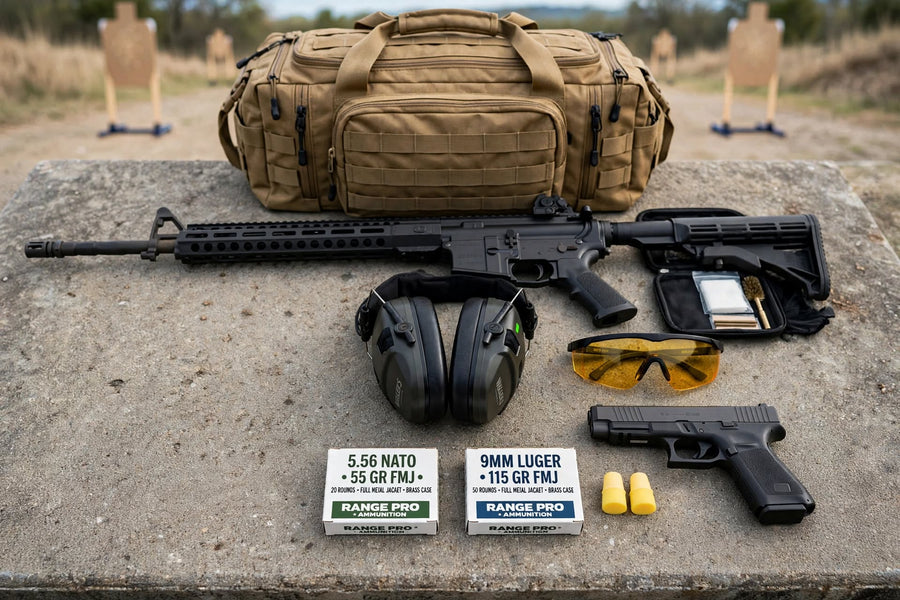
If you're bringing your own firearm, you'll also need an appropriate case, compatible factory ammunition, and any additional items required by the facility. Some ranges offer rental firearms, ammunition, targets, and safety equipment, so you may not need to purchase everything before your first visit.
A well-prepared range bag can make your visit more organized, but beginners don't need an expensive collection of accessories.
Before visiting, review the range's rules, confirm its operating hours and rental policies, and ask whether first-time visitors must complete a safety orientation.
Most importantly, arrive with a willingness to follow instructions. Understanding basic firearm safety and communicating with range staff are more important than having specialized equipment.
Key Takeaways
- Every range visitor should have suitable eye and hearing protection, regardless of whether they're shooting or observing.
- Check the range's website or contact its staff before visiting to confirm identification requirements, ammunition restrictions, rental availability, and safety procedures.
- Beginners can often rent equipment, making it unnecessary to purchase a firearm or extensive accessories before their first visit.
- Comfortable clothing, closed-toe shoes, a range bag, and a few basic personal items can make the experience more convenient.
- Follow all range commands, keep firearms pointed in a safe direction, and ask a range safety officer whenever you're uncertain about a procedure.
What Do You Need for Your First Shooting Range Visit?
A shooting range is a controlled environment where people can practice shooting under established safety rules.
Facilities vary considerably. Some are indoor commercial ranges offering firearm rentals and instruction, while others are outdoor clubs, public ranges, or specialized sporting facilities.
The equipment you'll need depends partly on the facility and whether you're bringing your own firearm.
However, several items are useful for nearly every visit.
Shooting Range Essentials Checklist
| Item | Why You Need It | Usually Essential? |
|---|---|---|
| Hearing protection | Reduces exposure to hazardous firearm noise | Yes |
| Shooting glasses | Helps protect eyes from debris and other hazards | Yes |
| Government-issued identification | May be required for admission or rentals | Facility-dependent |
| Closed-toe shoes | Helps protect feet from environmental hazards | Strongly recommended |
| Appropriate clothing | Improves comfort and helps reduce exposure to hot cartridge cases | Strongly recommended |
| Firearm and appropriate case | Required if bringing your own firearm | Conditional |
| Compatible ammunition | Required if shooting; range restrictions may apply | Conditional |
| Targets | Needed unless supplied by the range | Facility-dependent |
| Range bag | Organizes protective equipment and accessories | Optional |
| Water and personal supplies | Supports comfort during longer visits | Recommended where permitted |
The range's published policies always take precedence over a general checklist.
1. Hearing Protection

Hearing protection is one of the most important items to bring to a shooting range.
Firearm discharge produces intense impulse noise that can cause permanent hearing damage.
Even a short range visit can involve repeated exposure to hazardous sound levels.
Both indoor and outdoor ranges require attention to hearing safety.
Passive Hearing Protection
Passive earmuffs reduce sound through physical insulation and sealed earcups.
They are relatively straightforward to use and do not require batteries.
Disposable foam earplugs are another common option.
Properly fitted foam earplugs can provide substantial attenuation, but incorrect insertion can significantly reduce their effectiveness.
For first-time visitors, passive earmuffs offer a convenient starting point, especially when fit is checked carefully.
Electronic Hearing Protection
Electronic shooting earmuffs combine passive sound attenuation with microphones and speakers.
Many models allow users to hear ordinary conversation while limiting electronic amplification of loud sounds.
This can make communication with range staff more convenient.
However, electronic features do not guarantee greater protection than passive earmuffs.
The product's noise reduction rating, physical fit, and consistent use remain essential.
Should Beginners Wear Both Earplugs and Earmuffs?
Wearing properly fitted earplugs beneath earmuffs can provide additional protection.
This is particularly worth considering at indoor shooting ranges, where reflected noise can increase exposure.
The noise reduction ratings of the two products cannot simply be added together.
If you're unsure which hearing protection to choose, ask range staff about suitable options for their facility.
2. Shooting Glasses

Eye protection is another essential piece of range equipment.
Shooting glasses help protect against flying debris, airborne particles, and other hazards associated with shooting environments.
Regular prescription glasses or fashion sunglasses should not automatically be considered adequate substitutes.
Look for protective eyewear with a clearly identified impact-resistance standard appropriate for the intended use.
What Does ANSI Z87.1 Mean?
ANSI/ISEA Z87.1 establishes requirements for occupational and educational eye and face protection. Under commonly used marking conventions, Z87+ identifies eyewear meeting the standard's applicable high-impact requirements, while a basic Z87 marking does not necessarily indicate the same impact classification.
Buyers should check the markings on the actual eyewear, review the manufacturer's specifications, and follow any additional protective-equipment requirements established by the shooting range.
However, not every product described as ANSI-rated offers the same level of impact protection.
Buyers should verify the exact markings and manufacturer specifications.
Clear vs. Tinted Shooting Glasses
Clear lenses are a practical choice for indoor ranges and other environments with limited natural light.
Tinted lenses may improve comfort in bright outdoor conditions.
Amber or other specialized lens colors are also available, although personal preference and lighting conditions influence their usefulness.
The most important considerations are impact protection, optical clarity, coverage, and comfortable fit.
Shooting Glasses and Hearing Protection Fit
Thick eyewear temples can interfere with the seal of shooting earmuffs.
This may reduce the actual noise attenuation provided by the earmuffs.
Look for eyewear that fits comfortably beneath your hearing protection without creating noticeable gaps.
3. Identification and Range Paperwork
Many commercial shooting ranges require visitors to present government-issued identification.
Some facilities also require participants to complete a waiver, acknowledge safety rules, or attend an orientation.
Requirements can differ for firearm rentals, minors, visitors from other jurisdictions, and organized events.
Before visiting, check whether the range requires reservations or advance registration.
What If You're Visiting With Someone Else?
Ranges may have specific policies for guests, observers, and people sharing a shooting lane.
Some facilities require everyone entering the shooting area to wear eye and hearing protection, even if they aren't shooting.
Other rules may apply to supervision and age requirements.
Confirm these policies before arriving rather than assuming that a non-shooting guest can enter without preparation.
4. Appropriate Clothing for the Shooting Range

Range clothing should prioritize comfort, coverage, and freedom of movement.
You generally don't need specialized tactical clothing for a recreational range visit.
However, certain clothing choices can reduce discomfort and exposure to common range hazards.
Closed-Toe Shoes
Closed-toe shoes are a sensible choice for indoor and outdoor ranges.
They provide more coverage than sandals or open footwear.
Some facilities specifically require closed-toe shoes, so check the rules before visiting.
Shirts With Appropriate Necklines
Ejected cartridge cases can be hot.
Clothing with an open neckline may allow hot cases to become trapped against the skin.
A shirt with a relatively high neckline can reduce this possibility.
Avoid loose accessories that could interfere with protective equipment or become distracting.
Hats and Outdoor Clothing
A baseball cap can provide additional coverage from sunlight and may help deflect occasional airborne debris.
For outdoor ranges, consider weather-appropriate layers.
Cold, rain, wind, and direct sunlight can affect comfort during longer visits.
Choose clothing that doesn't interfere with eye or hearing protection.
5. Firearm and Protective Case

If you're bringing your own firearm, it should be transported and presented according to applicable laws and the range's procedures.
An appropriate firearm case helps protect the equipment during transport.
Some facilities require firearms to remain cased until the participant reaches a designated area or receives instructions from staff.
A range bag should not automatically be treated as a secure firearm case.
Hard Cases vs. Soft Cases
Hard cases generally use rigid shells and may include foam or other protective interior materials.
Soft cases use flexible materials and may be lighter or easier to store.
Both categories include products with different security and protection features.
The appropriate choice depends on the firearm, transportation requirements, and facility policies.
Where locking is required, use a case and locking arrangement that satisfies the applicable rules.
What If You Don't Own a Firearm?
You may still be able to visit a shooting range.
Many commercial ranges offer rental firearms, although availability and eligibility requirements vary.
Some require rental customers to meet specific conditions or participate in an instructional session.
A beginner should contact the facility before visiting to confirm its current rental policy.
6. Ammunition

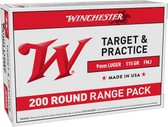
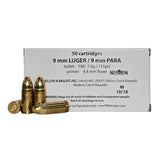
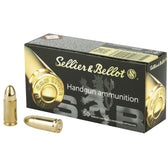
If you're using your own firearm, you'll need ammunition specifically designated for that firearm.
The exact cartridge or shell designation must be compatible with the manufacturer's specifications.
Similar-looking ammunition is not necessarily interchangeable.
Range rules may also restrict certain ammunition types.
Common Range Ammunition Restrictions
Facilities may establish policies concerning ammunition materials, projectile construction, or other characteristics.
Some indoor ranges prohibit particular ammunition types because of their equipment, ventilation systems, or backstop requirements.
Other ranges require customers using rental firearms to purchase ammunition directly from the facility.
These policies vary, so confirm them in advance.
How Much Ammunition Should a Beginner Bring?
There is no universal amount appropriate for every first-time range visit.
A supervised introductory session may have different requirements from an independent recreational visit.
If you're taking a class, follow the instructor's published equipment list.
If you're renting a firearm, ask the range what ammunition is included or required.
Buying more ammunition than you need is not necessary for a first visit.
7. Targets

Some ranges supply targets as part of the lane fee.
Others sell targets separately or permit customers to bring approved paper targets.
Target restrictions can vary based on facility equipment and safety policies.
For a first visit, simple range-approved paper targets are usually sufficient.
Paper Targets
Paper targets are common at indoor and outdoor facilities.
They are inexpensive, lightweight, and easy to transport.
Some feature large, clearly visible markings that are convenient for beginners.
However, target size and design should match the range's permitted activities and any instructor requirements.
Specialty Targets
Some facilities permit additional target types, while others prohibit them.
Reactive, steel, or other specialty targets may be restricted to particular areas or supervised activities.
Never assume that a target is permitted simply because it is sold for shooting sports.
Follow the facility's rules and staff instructions.
8. A Range Bag

A range bag helps organize the accessories needed for a shooting session.
For beginners, a compact or medium-sized bag is often sufficient.
Useful compartments may include dedicated space for hearing protection, safety glasses, spare batteries, and small personal items.
You don't need a premium bag for your first visit.
What Should Go in a Beginner's Range Bag?
A practical beginner's setup may include:
- Hearing protection and spare foam earplugs
- Protective shooting glasses and a case
- Identification and any required paperwork
- Spare batteries for electronic earmuffs
- Approved targets, if the range doesn't provide them
- A small notebook and pen
- Basic personal supplies permitted by the facility
Keep the layout simple so essential items are easy to find.
9. Personal Comfort and Hygiene Items

Shooting ranges can be noisy, dusty, warm, or cold depending on the environment.
A few ordinary personal items can make a visit more comfortable.
Water and Hydration
For longer visits, access to drinking water can be useful.
However, many ranges prohibit food and beverages in active shooting areas.
Follow the facility's rules and use designated break areas.
Hand Cleaning Supplies
Shooting activities can leave lead-containing dust and other residues on the hands, clothing, and equipment. Wash your hands thoroughly after shooting and before eating, drinking, or touching your face. Where available, use hand-cleaning products specifically designed to remove lead-containing residues, following their instructions.
Ordinary hand sanitizer should not be treated as a substitute for removing lead contamination. Follow the facility's hygiene procedures and avoid carrying contaminated dust into vehicles or living spaces.
Avoid eating, drinking, or smoking in shooting areas.
Follow any posted hygiene procedures and consider changing contaminated clothing before close contact with children or other household members.
Basic First-Aid Supplies
A small first-aid kit can be a useful addition to a range bag.
However, it does not replace the facility's emergency procedures or professional medical care.
Know where range personnel and emergency resources are located.
What Should You Leave at Home?
First-time visitors should avoid bringing unnecessary equipment.
Large collections of accessories, unfamiliar equipment, and items prohibited by the range can create inconvenience.
Alcohol, recreational drugs, and other substances that impair judgment have no place in firearm handling or shooting activities.
Avoid clothing or accessories that interfere with protective equipment.
Most importantly, do not bring ammunition, targets, or other items that violate the facility's policies.
What to Expect During Your First Shooting Range Visit
Knowing what happens at a shooting range can make your first visit more comfortable.
Although procedures vary by facility, most commercial ranges follow a similar general process.
Checking In
When you arrive, you'll typically check in at the front counter or designated registration area.
Staff may ask for identification, explain pricing, confirm reservations, and review the facility's safety policies.
Some ranges require visitors to sign a waiver or watch an introductory safety presentation.
If you're renting equipment, staff will explain the rental requirements and available options.
Be sure to mention that this is your first visit. Range personnel can explain the facility's procedures and help you understand what equipment is required.
Completing the Safety Orientation
Many shooting ranges provide safety instructions before allowing visitors into the shooting area.
These may cover range commands, protective equipment, firearm handling restrictions, and emergency procedures.
Pay close attention, even if you've previously handled firearms.
Each facility may have different procedures.
If you're unfamiliar with firearms, consider enrolling in a beginner class led by a qualified instructor rather than relying solely on a brief range orientation.
Entering the Shooting Area
Before entering an active shooting area, make sure your eye and hearing protection are properly fitted.
Follow posted signs and staff instructions.
Keep firearms secured in their cases until the facility's rules permit otherwise.
Never handle another person's firearm without permission, and never enter a restricted area.
If you're uncertain about a procedure, ask a range safety officer before proceeding.
Basic Shooting Range Rules Every Beginner Should Know
Every range has its own policies, but several fundamental safety principles apply broadly.
- Treat every firearm as though it is loaded. Never make assumptions about a firearm's condition.
- Always keep the muzzle pointed in a safe direction. Follow the range's designated safe-direction requirements.
- Keep your finger off the trigger until you're ready to shoot. Avoid placing a finger inside the trigger guard during ordinary handling.
- Know your target and what is beyond it. Use only approved targets and follow the facility's shooting restrictions.
- Follow all range commands immediately. Stop activity whenever instructed by range personnel.
These principles do not replace formal instruction or the manufacturer's safety guidance.
What Does Cease Fire Mean?
A cease-fire command means shooting activity must stop immediately.
The range's procedures determine what participants must do next, including any restrictions on handling firearms.
Do not assume that the procedures are identical at every facility.
Listen carefully to the range safety officer and follow the posted rules.
What If You Experience a Firearm Malfunction?
If a firearm does not operate as expected, maintain a safe muzzle direction and follow the manufacturer's safety instructions and range procedures.
Do not attempt unfamiliar repairs or adjustments at the firing line.
If you're unsure what happened, notify a range safety officer or qualified instructor.
Beginners should never feel pressured to troubleshoot an unfamiliar firearm without assistance.
Should You Rent a Firearm or Bring Your Own?
For someone who doesn't already own a firearm, renting can be a practical introduction to the shooting range.
Rental programs allow visitors to learn about different factory firearms without making an immediate purchase.
However, not every range offers rentals, and some facilities impose eligibility or supervision requirements.
If you already own a firearm, bringing it may be appropriate when you understand its operation and comply with all transportation and range policies.
For a first-time shooter, professional instruction is generally more valuable than trying several unfamiliar firearms independently.
How Much Does a First Shooting Range Visit Cost?
The cost of a range visit depends on the facility, location, equipment requirements, and whether you're renting.
Common expenses may include:
- Range admission or lane rental
- Firearm rental, if applicable
- Ammunition
- Targets
- Eye and hearing protection
- Instruction or introductory classes
Some facilities offer beginner packages that combine several of these expenses.
Before visiting, ask what the advertised price includes and whether additional fees apply.
This can help you avoid unexpected costs and decide whether purchasing your own protective equipment makes sense.
Final Shooting Range Packing Checklist
| Category | What to Bring |
|---|---|
| Safety | Shooting glasses, hearing protection, spare earplugs |
| Identification | Required ID, reservation details, completed paperwork if applicable |
| Clothing | Closed-toe shoes, comfortable clothing, appropriate layers |
| Equipment | Approved firearm case and compatible ammunition if bringing your own firearm |
| Accessories | Range-approved targets, spare batteries, notebook |
| Personal items | Water for designated areas, hand-cleaning supplies |
| Preparation | Range rules, rental information, class requirements |
Confirm the facility's current policies before leaving home.
Final Thoughts
Your first shooting range visit doesn't require an expensive collection of firearms or accessories.
The essentials are straightforward: appropriate eye and hearing protection, required identification, comfortable clothing, and a clear understanding of the range's safety rules.
If you're bringing your own firearm, verify ammunition compatibility and transportation requirements. If you're renting, confirm the facility's policies before arriving.
A simple range bag can help keep equipment organized, but preparation and safe conduct matter far more than specialized gear.
For beginners, a supervised introductory class is one of the most worthwhile investments. Qualified instruction can help establish safe habits and make future range visits more comfortable.
Start with the essentials, follow range commands, and build your equipment collection as your needs become clearer.
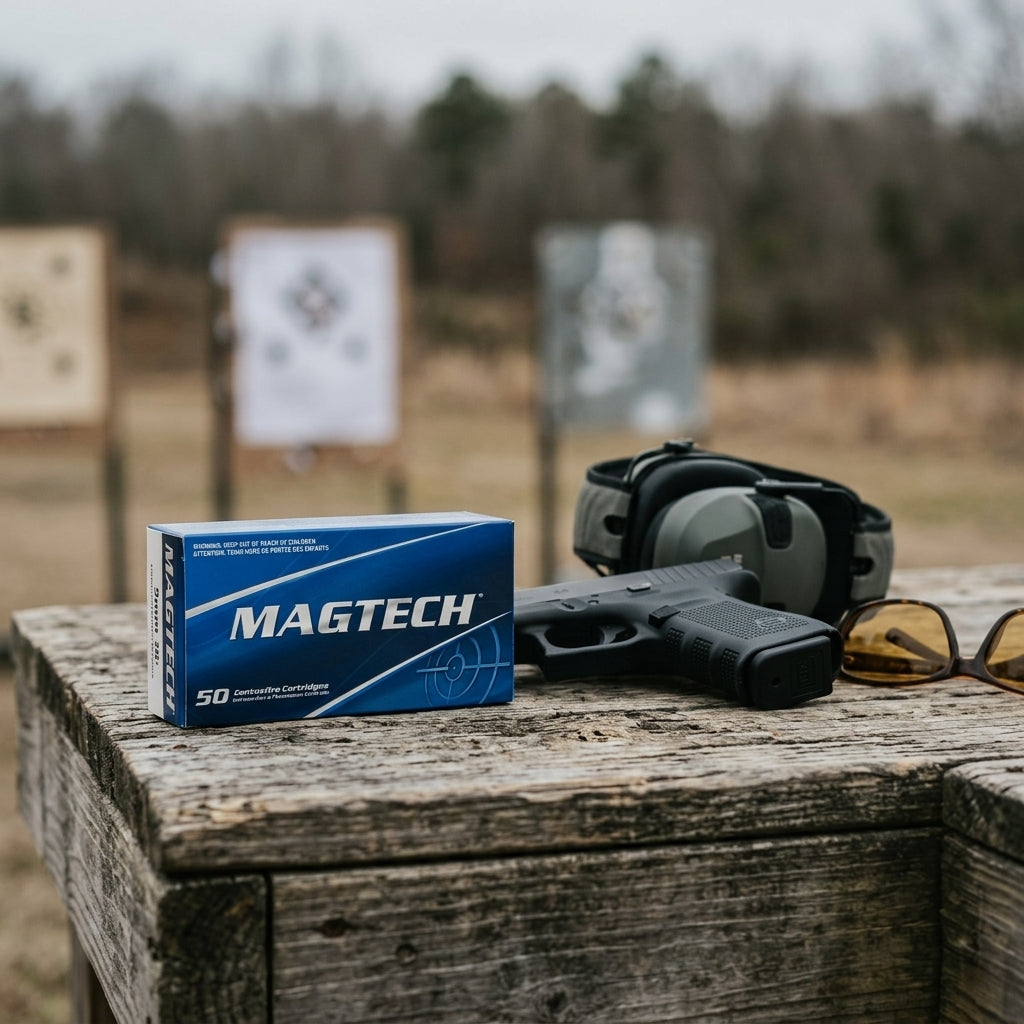
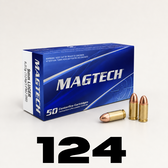
Magtech 9mm 115gr FMJ
$20.00
at Pro Armory
Prices accurate at time of writing
Frequently Asked Questions
What should I bring to a shooting range for the first time?
Bring appropriate shooting glasses, hearing protection, identification, and comfortable clothing with closed-toe shoes. If you're bringing your own firearm, you'll also need an appropriate case and compatible ammunition. Check the facility's requirements beforehand.
Can you go to a shooting range without owning a gun?
Yes, many commercial ranges offer rental firearms. However, rental availability, eligibility requirements, and supervision policies vary. Contact the facility before visiting.
Do shooting ranges provide eye and ear protection?
Some ranges sell, rent, or provide protective equipment, but policies differ. Bringing properly fitting personal eye and hearing protection is a practical choice.
What should you wear to an indoor shooting range?
Wear comfortable clothing, closed-toe shoes, and a shirt that provides reasonable coverage. Avoid clothing that interferes with protective equipment or may trap hot cartridge cases against your skin.
Do you need experience to visit a shooting range?
Not necessarily. Many ranges welcome beginners and offer introductory classes or supervised instruction. However, visitors must follow the facility's eligibility requirements and safety procedures.
About the Author
The ProArmory editorial team includes experienced hunters, competitive shooters, military veterans, firearms instructors, and firearms industry professionals committed to producing accurate, practical, and research-based content. Our articles draw on manufacturer specifications, current industry information, and real-world shooting experience to help readers make informed decisions about firearms, ammunition, optics, and related equipment.
Disclaimer
This article is for educational purposes only and does not replace qualified firearm instruction. Range policies, equipment requirements, and firearm laws vary. Always follow established firearm-safety practices, manufacturer instructions, range personnel's directions, and applicable federal, state, and local laws.


