









Quick Answer
Hunters miss seemingly easy shots because field conditions introduce variables that rarely appear during ordinary range practice. Excitement, fatigue, unstable positions, misjudged distances, changing weather, unfamiliar equipment, and rushed decisions can all affect the outcome. A hunter who performs consistently at a range may struggle when an animal appears unexpectedly or the conditions differ from those in which they normally practice.
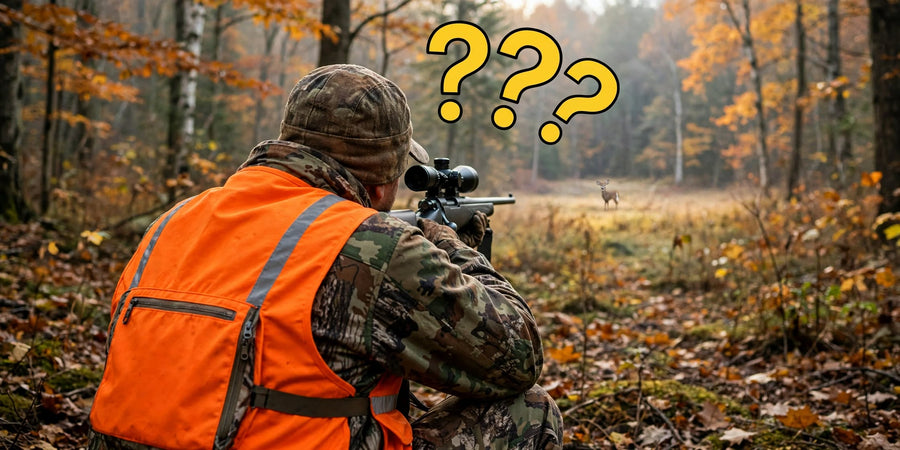
Some misses involve equipment or environmental limitations, while others result from overestimating personal ability or attempting a shot that should have been passed. Understanding these differences helps hunters prepare more realistically, recognize potential problems, and make safer, more ethical decisions in the field.
The most important lesson is that not every available shot should be taken. Recognizing uncertainty, understanding personal limitations, and being willing to pass on an opportunity are essential parts of responsible hunting.
Key Takeaways
- Range experience doesn't automatically translate into consistent field performance.
- Excitement and physical stress can affect concentration and judgment.
- Weather, terrain, lighting, and fatigue introduce variables that may be absent at the range.
- Equipment condition and unfamiliar accessories can create unexpected problems.
- Hunters sometimes overestimate their abilities based on favorable practice conditions.
- Misjudging distance or failing to recognize the limitations of an unfamiliar shooting position can make a seemingly straightforward opportunity more difficult than expected.
- Ethical shot selection requires confidence in the circumstances, not simply an opportunity to fire.
- When a shot's safety or outcome is uncertain, passing is the responsible choice.
Why an Easy Shot at the Range Can Become Difficult in the Field
A hunter can spend months practicing at a shooting range, develop confidence in their equipment, and still miss an opportunity that appeared straightforward in the field. That experience is frustrating because the outcome seems inconsistent with what the hunter knows they can accomplish under familiar conditions.
The difference is that range performance and field performance are not identical. A stationary target at a known distance offers a predictable environment. Hunting introduces moving wildlife, uneven terrain, changing light, physical exertion, and situations that may unfold without warning. The hunter must also account for safe firing directions, the surrounding environment, and the possibility of wounding an animal.
A missed opportunity is not always evidence of poor marksmanship. It may reveal an unfamiliar condition, a limitation that was not obvious during practice, or a decision made before the circumstances were fully understood. Recognizing those differences is a more productive response than assuming every miss has the same cause.
1. Excitement Changes the Way Hunters Think

Seeing a game animal can create a strong emotional response, particularly after a long period of waiting.
Hunters sometimes describe this excitement as buck fever, although similar reactions can occur with many species.
Buck fever can produce different reactions depending on the hunter and the situation. Some experience an elevated heart rate, trembling, or a strong sense of urgency. Others become so focused on the animal that they overlook surrounding conditions or make decisions more quickly than intended. These reactions do not automatically lead to a miss, but they can make an otherwise familiar situation more difficult to evaluate.
Why It Matters
Excitement can make it harder to evaluate a situation calmly.
A hunter may focus so strongly on the animal that other important details receive less attention.
Those details may include environmental conditions, the presence of other people, or whether the situation allows a safe and ethical shot.
What Hunters Should Remember
Excitement is a normal part of hunting, but it should never determine whether a firearm is discharged.
A responsible hunter must remain willing to pass on an opportunity when the circumstances are uncertain.
Formal hunter education and supervised field experience can help establish sound decision-making expectations before an exciting situation occurs.
2. Range Conditions Don't Reflect Real Hunting Conditions

A shooting range usually provides predictable targets, known distances, controlled firing directions, and relatively consistent surroundings. Hunters often become familiar with those conditions, particularly when most of their practice takes place from a bench or another stable position.
The field presents a different environment. Uneven ground, vegetation, changing light, limited visibility, and unfamiliar positions can make an opportunity more difficult to evaluate. Even the simple act of moving through rough terrain before encountering an animal can leave a hunter physically uncomfortable or fatigued.
These differences help explain why confidence developed under controlled conditions does not always translate into the same results outdoors. Hunters should understand that their capabilities may change with the environment and avoid assuming that an opportunity is appropriate simply because the apparent distance seems manageable.
Why It Matters
Uneven ground, vegetation, changing light, and unfamiliar surroundings can complicate the hunter's assessment of an opportunity.
A situation that appears simple at first may involve obstacles or uncertainties that are not immediately obvious.
Even experienced recreational shooters can underestimate the differences between a range and a hunting environment.
What Hunters Should Remember
Range proficiency should not be treated as proof that every field opportunity is appropriate.
Hunters should recognize their limitations and avoid taking shots when conditions prevent a safe, responsible decision.
Misjudging Distance Can Change the Entire Situation
Distances in open fields, wooded terrain, and uneven landscapes can be difficult to estimate accurately. A hunting opportunity may appear closer or farther away than expected, particularly when there are few familiar reference points.
Unlike a marked shooting range, the field does not always provide an obvious indication of distance. That uncertainty can affect whether an opportunity falls within the hunter's established capabilities and the limitations of the equipment being used.
Hunters should avoid treating a visual estimate as a guarantee. When distance cannot be established with sufficient confidence, declining the opportunity is more responsible than relying on an uncertain assumption.
Unfamiliar Positions Can Make Familiar Distances Difficult
A hunter may be comfortable shooting from a stable bench but have far less experience evaluating opportunities from uneven ground or other field positions. The distance may appear familiar, yet the physical circumstances are different.
Clothing, equipment, terrain, and fatigue can further affect comfort and stability. These factors help explain why performance under controlled conditions does not necessarily predict performance in every hunting situation.
The appropriate response is to recognize those limitations before entering the field. Hunter education and qualified instruction can help individuals understand the differences between controlled practice and responsible field participation.
3. Fatigue Can Affect Judgment

Hunting often requires physical effort.
Walking long distances, carrying equipment, climbing uneven terrain, and spending hours outdoors can leave hunters tired.
Cold temperatures, inadequate rest, and dehydration may add to the problem.
Why It Matters
Fatigue can affect concentration and decision-making.
A tired hunter may have difficulty maintaining the same level of attention that would be possible earlier in the day.
Physical discomfort can also create a desire to finish the outing quickly, increasing the temptation to accept a questionable opportunity.
What Hunters Should Remember
Physical preparation is part of responsible hunting.
Plan outings around realistic personal capabilities, carry appropriate supplies, and recognize when exhaustion makes continued participation unwise.
No hunting opportunity justifies ignoring personal safety.
4. Hunters Overestimate What Their Equipment Can Do

Modern hunting equipment is often marketed around advanced materials, improved optics, and impressive performance specifications.
These developments can be useful, but they do not eliminate the limitations of the hunter or the surrounding environment.
Why It Matters
A rifle, shotgun, optic, or ammunition product may have characteristics that are well suited to a particular application.
A firearm or optic may perform well under controlled conditions without eliminating the challenges presented by an unfamiliar hunting environment. Manufacturer specifications describe particular equipment characteristics, but they do not account for every variable affecting an individual hunter. Equipment condition, correct configuration, environmental limitations, and the hunter's experience all influence whether a particular opportunity is appropriate.
Equipment performance depends on numerous factors, including proper condition, compatibility, and the circumstances in which it is used.
A hunter who assumes that expensive equipment compensates for uncertainty may make decisions that exceed personal capabilities.
What Hunters Should Remember
Understand the manufacturer's specifications and limitations.
Do not interpret marketing claims as permission to attempt shots beyond your experience or the conditions you can responsibly evaluate.
Equipment should support informed judgment, not replace it.
5. Poor Equipment Maintenance Creates Avoidable Problems

Hunting equipment is frequently exposed to moisture, dust, dirt, and changing temperatures.
These conditions can affect firearms, optics, mounting components, and other accessories.
A firearm that has spent months in storage may also require attention before the next season.
Why It Matters
Corrosion, damaged components, loose accessories, and neglected maintenance can create uncertainty about equipment condition.
Some problems are visible, while others require professional evaluation.
A firearm that appears acceptable externally should not automatically be assumed to be mechanically sound.
What Hunters Should Remember
Follow manufacturer-recommended inspection and maintenance procedures.
If a firearm or accessory shows signs of damage or malfunction, discontinue use until it has been evaluated by a qualified professional.
Avoid improvised repairs to safety-critical components.
6. Weather Changes the Hunting Experience

Weather can influence nearly every aspect of an outdoor hunt.
Wind, rain, snow, temperature changes, and reduced visibility can affect comfort, concentration, and equipment condition.
Why It Matters
Hunters sometimes plan an outing based on favorable conditions and encounter very different circumstances after arriving.
Poor visibility can make it difficult to identify an animal confidently or assess the surrounding environment.
Wet or icy terrain may also increase the risk of falls and other accidents.
What Hunters Should Remember
Check the forecast, prepare suitable clothing and equipment, and remain willing to adjust or end an outing when conditions deteriorate.
If weather prevents confident identification or safe judgment, the opportunity should be passed.
7. Unfamiliar Equipment Adds Uncertainty

Some hunters purchase new optics, accessories, or firearms shortly before the season begins.
New equipment can be appealing, particularly when a product promises improved comfort or convenience.
However, unfamiliarity introduces another variable into an already unpredictable activity.
Why It Matters
A hunter may not fully understand the operation, limitations, or compatibility requirements of newly purchased equipment.
Changes can also affect storage arrangements, transportation needs, and maintenance requirements.
A new accessory is not necessarily an upgrade if it creates confusion or fails to suit the firearm.
What Hunters Should Remember
Read the manufacturer's instructions and confirm compatibility well before an outing.
Seek professional assistance with unfamiliar equipment or installation concerns.
Avoid relying on equipment whose safe operation or condition is uncertain.
8. Hunters Feel Pressure to Take the Opportunity

Hunting requires patience, and some outings end without a shot.
After spending money on licenses, travel, equipment, and time away from work, a hunter may feel pressure to make the trip worthwhile.
That pressure can become especially strong when an animal finally appears.
Why It Matters
The desire to avoid going home empty-handed can influence judgment.
A hunter may begin treating an opportunity as something that must be taken rather than something that must first be evaluated.
This mindset can lead to unnecessary risk and poor ethical decisions.
What Hunters Should Remember
A successful hunt is not defined exclusively by harvesting an animal.
Responsible restraint, lawful conduct, and respect for wildlife are meaningful outcomes.
Passing on an uncertain shot is a sign of sound judgment, not failure.
9. Hunters Don't Always Recognize Their Personal Limits

Experience levels vary considerably.
Some hunters have extensive field experience, while others may be participating in their first season.
Problems arise when hunters assume their capabilities are greater than they actually are.
Why It Matters
Confidence can be useful, but confidence without reliable evidence can become overconfidence.
A hunter may base expectations on a few favorable range experiences or stories from more experienced companions.
Individual limitations can also change with age, injury, fatigue, and environmental conditions.
What Hunters Should Remember
Evaluate personal capabilities realistically.
Hunter education, qualified instruction, and supervised experience can help establish appropriate expectations.
Never allow another person's confidence or encouragement to override your own safety concerns.
10. The Shot Should Never Have Been Taken

Not every missed opportunity is the result of a technical mistake.
Sometimes the underlying problem is the decision to fire at all.
An animal may be partially obscured, its identity may be uncertain, or the area beyond it may not be safe.
The hunter may also lack sufficient confidence in the situation.
Why It Matters
A missed shot can have consequences beyond disappointment.
A projectile may travel beyond the intended target, and an injured animal may require a difficult recovery effort.
Responsible hunting therefore requires careful attention to both firearm safety and animal welfare.
What Hunters Should Remember
Know the target and what lies beyond it.
Follow all applicable hunting regulations, including species identification, legal seasons, permitted equipment, and land-access requirements.
If the circumstances do not support a safe and ethical shot, do not fire.
The Most Common Reasons Hunters Miss: Comparison Table
| Factor | Why It Creates Problems | Responsible Response |
|---|---|---|
| Excitement or buck fever | Can affect concentration and judgment | Remain willing to pass on uncertain opportunities |
| Unfamiliar field conditions | Differ from predictable range environments | Recognize environmental limitations |
| Physical fatigue | Can reduce attention and decision-making | Plan realistically and stop when necessary |
| Equipment overconfidence | Creates unrealistic expectations | Understand actual equipment limitations |
| Poor maintenance | May cause mechanical or accessory concerns | Follow manufacturer guidance |
| Weather | Affects visibility, comfort, and safety | Adjust plans when conditions deteriorate |
| New or unfamiliar gear | Introduces uncertainty | Review documentation and seek qualified help |
| Pressure to succeed | Encourages rushed decisions | Prioritize ethics over harvesting an animal |
| Unrealistic self-assessment | Can lead to inappropriate decisions | Seek education and objective feedback |
| Questionable shot selection | Creates safety and animal-welfare concerns | Decline the shot |
Why Ethical Shot Selection Matters More Than the Miss
Discussions about missed hunting shots often focus entirely on marksmanship.
But responsible hunting involves more than the ability to operate a firearm.
Hunters must consider wildlife identification, legal restrictions, environmental conditions, land access, and the safety of others.
They must also recognize the possibility of wounding an animal.
The Difference Between a Miss and an Uncertain Hit
A shot that appears to miss may not always be a clean miss.
When an animal moves away after a shot, the hunter may be uncertain whether it was struck.
That uncertainty should be treated seriously.
Hunters should follow applicable wildlife agency guidance concerning suspected wounded animals, tracking, recovery, and reporting requirements.
Local regulations and recommended practices may differ by species and jurisdiction.
Passing on a Shot Is a Responsible Decision
Some of the best hunting decisions involve not firing.
A hunter may encounter an animal but recognize that the conditions are unsuitable.
Choosing not to shoot protects people, supports responsible wildlife management, and reduces the risk of unnecessary animal suffering.
That judgment deserves as much respect as a successful harvest.
Final Thoughts
Hunters miss shots for many reasons, including excitement, fatigue, unfamiliar conditions, equipment problems, and unrealistic expectations.
Some of these factors are difficult to eliminate completely because hunting takes place in an unpredictable environment.
However, responsible preparation can reduce unnecessary uncertainty.
Understanding equipment limitations, maintaining firearms properly, completing hunter education, and recognizing personal boundaries are all important parts of the process.
Most importantly, hunters should resist the pressure to take every available opportunity.
The goal isn't to take every shot. It's to recognize when a shot can be taken safely, lawfully, and ethically, and when it should be passed.
That mindset supports better decisions, greater respect for wildlife, and a more responsible hunting experience.
Missed hunting shots can result from several overlapping factors, including rushed decisions, unfamiliar shooting positions, poor visibility, equipment problems, and inadequate preparation. While no rifle or optic can eliminate every variable, hunters can reduce avoidable uncertainty by becoming familiar with their equipment and confirming its condition before the season.
For those reconsidering their current setup, our guide to factory hunting rifle-and-scope packages explores the advantages and tradeoffs of purchasing a complete rifle-and-optic combination.

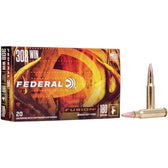
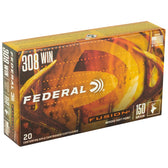
Federal Fusion .308 Winchester 180 Grain Bonded SP
$34.00
at Pro Armory
Prices accurate at time of writing
Frequently Asked Questions
Why Do Hunters Miss Easy Shots?
Hunters may miss seemingly easy shots because of excitement, fatigue, unfamiliar environmental conditions, equipment concerns, or unrealistic expectations.
A field situation can be much less predictable than a controlled shooting range.
What Is Buck Fever in Hunting?
Buck fever is a common term for the excitement or nervousness hunters may experience when encountering game.
It can involve increased heart rate, heightened attention, and a sense of urgency.
These reactions vary between individuals and should never override responsible decision-making.
Why Can Someone Shoot Well at the Range but Struggle While Hunting?
Range environments typically offer predictable targets, controlled firing directions, and established procedures.
Hunting involves changing terrain, wildlife movement, weather, and additional ethical considerations.
Performance in one environment does not automatically establish readiness for every situation in another.
Does Better Hunting Equipment Prevent Missed Shots?
No.
Appropriate equipment can support responsible hunting, but no firearm, optic, or accessory guarantees a particular outcome.
Equipment condition, compatibility, personal limitations, and environmental conditions all matter.
Can Cold Weather Affect a Hunter's Performance?
Yes.
Cold conditions can contribute to physical discomfort, fatigue, and reduced concentration.
Hunters should prepare for the forecast and recognize when weather conditions make continued participation unsafe.
Is It Normal to Miss While Hunting?
Missed opportunities occur among hunters with different levels of experience.
However, a miss should prompt thoughtful consideration of the circumstances, particularly when there is uncertainty about whether an animal was wounded.
The priority should remain safe, lawful, and ethical conduct.
What Should You Do if You Think You Wounded an Animal?
Treat a suspected hit seriously and follow applicable wildlife agency guidance concerning recovery, reporting, and animal welfare.
Requirements vary by jurisdiction and species.
When uncertain about legal obligations or appropriate recovery procedures, contact the relevant wildlife authority.
Should Beginners Take a Hunter Education Course?
Yes.
Hunter education provides foundational information about firearm safety, wildlife conservation, legal responsibilities, and ethical conduct.
Many jurisdictions require certification for certain hunters, while others provide exemptions or alternative pathways.
Check current requirements with the appropriate state wildlife agency.
Is Passing on a Shot Considered Good Hunting?
Absolutely.
Passing on a shot because of uncertainty about safety, identification, legal conditions, or personal capability demonstrates responsible judgment.
A successful hunting experience does not require firing a shot or harvesting an animal.
About the Author
This article was prepared by the ProArmory writing team to provide educational information about hunting preparation, responsible firearm ownership, equipment considerations, and ethical decision-making.
ProArmory focuses on helping firearm owners and outdoor enthusiasts understand products, safety responsibilities, and practical considerations that affect their activities.
Disclaimer
This article is for educational purposes and does not replace formal hunter education, professional firearms instruction, or guidance from wildlife authorities. Hunting regulations vary by jurisdiction and season. Always follow firearm safety rules, manufacturer instructions, land-access requirements, and current federal, state, and local laws.


