




Quick Answer
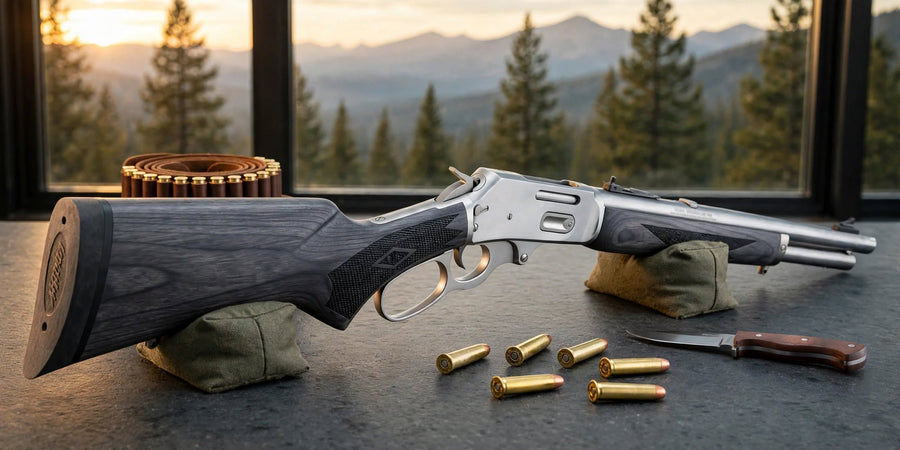
The Marlin 1894 Trapper 10mm is a compact lever-action carbine introduced on October 16, 2025. The standard black-laminate model features a 16.1-inch threaded barrel, stainless-steel construction, 10-round tubular magazine, and adjustable Skinner sights.
Its strongest appeal is the combination of a traditional lever-action platform and 10mm Auto chambering. However, the rifle's approximately $1,599 reported launch MSRP, ammunition-specific feeding considerations, and limited compatibility with other cartridges make it a purchase worth researching carefully.
This article combines manufacturer specifications with clearly attributed independent testing. ProArmory has not conducted its own hands-on evaluation of the rifle.
Key Takeaways
- Marlin officially introduced the 10mm Auto Trapper on October 16, 2025, rather than in 2026.
- The standard black-laminate model is identified as product number 70453.
- It features a 16.1-inch threaded barrel, 10-round tubular magazine, and 33.25-inch overall length.
- Stainless-steel construction, laminate furniture, and adjustable Skinner sights are standard features.
- Marlin introduced an updated fire-control system designed to improve trigger consistency and eliminate trigger movement commonly described as trigger flop.
- The rifle launched alongside Hornady's 150-grain LEVERevolution 10mm Auto ammunition.
- Independent testing published in 2026 has reported promising accuracy, although ammunition compatibility and feeding results have varied.
- The rifle is chambered for 10mm Auto only and must not be used with .40 S&W ammunition.
Lever-action rifles have traditionally been associated with cartridges such as .30-30 Winchester, .357 Magnum, and .44 Magnum. Marlin took a different approach in October 2025 by introducing a Trapper Series Model 1894 chambered in 10mm Auto, a cartridge more commonly associated with semiautomatic handguns.
The Marlin 1894 Trapper 10mm combines traditional lever-action operation with stainless-steel construction, a compact 16.1-inch barrel, black laminate furniture, and a tubular magazine. Its unconventional chambering gives the rifle a distinct identity within the modern Marlin lineup, particularly for enthusiasts who already appreciate the 10mm Auto cartridge.
With independent evaluations appearing throughout 2026, buyers now have more information than was available when the rifle was announced. This review examines the published specifications, updated fire-control system, ammunition considerations, independent testing observations, and differences between the 10mm Trapper and established revolver-caliber alternatives.
Marlin 1894 Trapper 10mm Specifications
The standard Marlin Trapper 10mm retains the compact proportions and stainless-steel construction associated with the Trapper Series. Its black laminate furniture and matte finish distinguish it from more traditional blued-steel lever-action rifles.
| Specification | Marlin 1894 Trapper 10mm |
|---|---|
| Manufacturer | Marlin Firearms / Ruger |
| Model | Trapper Series Model 1894 |
| Product number | 70453 |
| Announcement date | October 16, 2025 |
| Operating system | Lever-action |
| Caliber | 10mm Auto |
| Magazine | Tubular |
| Magazine capacity | 10 rounds |
| Barrel length | 16.1 inches |
| Overall length | 33.25 inches |
| Weight | 6.3 pounds, unloaded |
| Barrel construction | Cold hammer-forged stainless steel |
| Barrel twist | 1:16-inch RH |
| Muzzle threading | 5/8"-24 |
| Receiver | Stainless steel |
| Finish | Matte stainless |
| Stock and forend | Black laminate wood |
| Front sight | Skinner blade |
| Rear sight | Adjustable Skinner aperture |
| Safety | Cross-bolt |
| Reported launch MSRP | $1,599 |
Specifications apply to the standard black-laminate Model 70453. Other 10mm Trapper configurations may differ.
The combination of a 33.25-inch overall length and approximately 6.3-pound unloaded weight gives the rifle a relatively compact profile. Its dimensions may appeal to buyers who prefer shorter lever-action carbines, although balance, fit, and handling should be evaluated in person whenever possible.
When Was the Marlin 1894 Trapper 10mm Released?
Ruger, which owns the Marlin brand, officially announced the 10mm Auto version of the Trapper Series Model 1894 on October 16, 2025. The announcement introduced a new chambering for the existing Trapper family rather than an entirely new lever-action platform.
That timing matters because the rifle has appeared in several 2026 new-product roundups and reviews. Those publications may make it seem like a 2026 introduction, but the original manufacturer announcement confirms the October 2025 launch.
The rifle was introduced alongside Hornady's new 150-grain LEVERevolution 10mm Auto ammunition. This collaboration was significant because adapting a rimless semiautomatic-pistol cartridge to a traditional tubular-magazine lever-action rifle presents different design considerations from those associated with conventional rimmed revolver cartridges.
By November 2026, the rifle had received independent testing and additional industry coverage. It should therefore be described as a recent model with an established launch date, not as an unreleased or just-announced product.
What Makes the Marlin 1894 Trapper 10mm Different?

The 10mm Trapper shares several characteristics with other rifles in the series, including its short barrel, stainless-steel construction, and traditional lever-action operation. Its most important differences are the chambering and the fire-control improvements introduced with this model.
A Lever-Action Rifle Chambered in 10mm Auto
The 10mm Auto cartridge is commonly associated with semiautomatic handguns, making its appearance in a traditional Marlin lever-action rifle unusual. Most pistol-caliber lever actions have historically used rimmed cartridges such as .357 Magnum and .44 Magnum, which are naturally suited to conventional revolver ammunition systems.
The 10mm Auto uses a rimless case, so incorporating it into a lever-action design requires attention to feeding, extraction, and cartridge geometry. Marlin developed the new configuration specifically around this chambering rather than simply treating it as interchangeable with existing Model 1894 cartridges.
The result is a rifle that may particularly interest people who already own 10mm handguns and appreciate the idea of having firearms chambered for the same cartridge. However, sharing a chambering does not mean every 10mm load will perform identically in both firearms.
Stainless-Steel Construction and Laminate Furniture
Like other Trapper Series rifles, the 10mm model uses stainless steel for major components, including the receiver, lever, magazine tube, and barrel. The matte finish provides a subdued appearance that differs from the polished or blued surfaces associated with many traditional lever guns.
The black laminate stock and forend are intended to provide dimensional stability under changing environmental conditions. This construction may appeal to hunters and outdoor enthusiasts who prefer durable materials while retaining the appearance and feel of wood furniture.
The rifle also includes a rubber buttpad, sling-swivel studs, and an oversized lever loop. Together, these details reflect the Trapper Series emphasis on a compact, field-oriented configuration rather than a purely historical reproduction.
Updated Fire-Control System
One of the less obvious but more interesting changes introduced with the 10mm Trapper is its revised fire-control system. Marlin announced an e-nickel Teflon-plated sear, modified hammer-sear geometry, and a redesigned trigger arrangement intended to eliminate unwanted trigger movement.
The manufacturer describes these changes as improvements to trigger smoothness and consistency. Independent testing published in September 2026 also reported a favorable trigger experience, although the characteristics of an individual sample should not be treated as a guarantee for every production rifle.
For buyers comparing recent and older Model 1894 configurations, the updated fire-control design is worth noting. It represents a functional development beyond simply introducing another cartridge option.
The 16.1-Inch Barrel and Skinner Sight System
The Marlin 1894 Trapper 10mm uses a cold hammer-forged stainless-steel barrel measuring approximately 16.1 inches. The muzzle is threaded 5/8"-24 and includes a factory thread protector, although owners should follow manufacturer instructions and applicable laws regarding any muzzle accessories.
The rifle comes with an adjustable receiver-mounted Skinner aperture sight and a matching front blade. This is a distinctive feature of the Trapper Series and offers a traditional sighting arrangement without requiring an aftermarket optic.
For buyers interested in optics, the receiver configuration and available mounting options should be verified against the exact rifle model. A product advertised for a Marlin 1894 is not necessarily compatible with every production generation or accessory arrangement.
The barrel length also distinguishes this carbine from many 10mm handguns. A longer barrel can change ammunition velocity, but the amount varies by load and cannot be assumed from barrel length alone.
Does 10mm Auto Perform Better From a Rifle Barrel?
One of the main questions surrounding the Marlin Trapper 10mm is whether a rifle-length barrel provides a meaningful ballistic advantage over a handgun.
Marlin's original announcement stated that the rifle could produce velocity increases of up to 250 feet per second compared with pistol-length barrels. That is a manufacturer-reported upper-end figure, not a universal result for every 10mm cartridge.
Independent testing has demonstrated why that distinction matters. In a September 2026 review published by NRA American Hunter, Brian McCombie compared two hunting loads fired from the Trapper and a 6-inch-barreled handgun. The rifle produced velocity increases of approximately 98 fps with one load and 48 fps with the other.
Those results do not contradict the possibility of larger gains with different ammunition. They demonstrate that the performance difference is load-dependent and that buyers should avoid assuming a fixed velocity advantage.
The practical takeaway is that the 10mm Trapper offers a different firearm platform for the cartridge, but it does not transform 10mm Auto into a conventional high-velocity rifle cartridge. Its ballistic characteristics and limitations still need to be understood.
Marlin 1894 Trapper 10mm and Hornady LEVERevolution Ammunition

The rifle's launch was closely connected to Hornady's introduction of a 150-grain LEVERevolution 10mm Auto load using an FTX bullet. The ammunition was developed with lever-action compatibility in mind and represents an important part of the new rifle's introduction.
This collaboration is particularly notable because tubular magazines introduce ammunition-design considerations that differ from those of detachable-box-magazine firearms. Cartridge shape, bullet construction, and manufacturer guidance all matter when evaluating ammunition suitability.
The existence of a purpose-developed load does not mean that every other factory 10mm cartridge is incompatible. However, it also does not establish that every bullet profile or loading will feed equally well.
Marlin's instruction manual is explicit that the 10mm Auto Model 1894 is intended for 10mm Auto ammunition only. It is not compatible with .40 S&W, even though those cartridges are sometimes associated with overlapping handgun platforms.
Buyers should use only appropriate factory ammunition that meets the firearm manufacturer's requirements and should never assume compatibility based on cartridge appearance alone.
What Do Independent Reviews Say About Accuracy and Reliability?
Because the Marlin 1894 Trapper 10mm was introduced in 2025, several independent evaluations were available by late 2026. These provide a more useful basis for assessing the rifle than manufacturer specifications alone.
A September 2026 review reported firing more than 200 rounds through a test rifle. The reviewer described generally smooth operation and favorable accuracy results with the ammunition tested. The published evaluation also included specific observations about the updated trigger system and the rifle's compact handling characteristics.
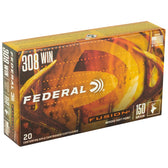
The evaluation provides useful context for the rifle's accuracy potential. Among the reviewer's best reported five-shot groups at 50 yards were approximately 0.70 inch with Federal Fusion, 1 inch with Remington Core-Lokt, and 1.15 inches with Winchester target ammunition. Those are encouraging results for the tested rifle, although they represent selected groups rather than guaranteed performance or the average accuracy of every production sample.
The review also reported no feeding or extraction problems during its testing. That result is worth considering alongside other independent evaluations that encountered ammunition-dependent feeding concerns. Together, the reports suggest that the rifle deserves evaluation based on specific ammunition and test conditions rather than broad assumptions about its reliability.
A separate evaluation examined a wider variety of factory ammunition, including different bullet weights and profiles. That review reported positive aspects of the rifle's accuracy and handling but also identified ammunition-dependent feeding concerns.
These reports should be read together rather than treating either one as definitive. The results suggest that the rifle can perform well with compatible ammunition, but they also reinforce the importance of following manufacturer guidance and recognizing that different factory loads may behave differently.
ProArmory has not independently tested the rifle, so we are not assigning our own accuracy measurements, reliability percentages, or performance guarantees.
The distinction between chambering and dependable feeding is particularly important with an unconventional lever-action cartridge. A firearm may be designed for a specific cartridge designation while still exhibiting different feeding characteristics with certain factory bullet profiles. That makes the manufacturer's current ammunition guidance and documented compatibility information especially relevant when evaluating the 10mm Trapper.
The introduction of Hornady's LEVERevolution load provides useful context for the rifle's development, but it should not be interpreted as proof that every other factory 10mm load is unsuitable. Likewise, the availability of multiple factory 10mm products does not establish that all of them have been validated for this particular rifle. Buyers should rely on Marlin's published requirements and seek manufacturer assistance when compatibility questions arise.
Marlin 1894 Trapper 10mm vs. .357 Magnum and .44 Magnum
The 10mm Auto version joins an established family of pistol-caliber Model 1894 rifles. For buyers considering a Trapper, the most useful comparison is often whether the new chambering makes more sense than the traditional .357 Magnum or .44 Magnum options.
| Feature | 10mm Auto Trapper | .357 Magnum Trapper | .44 Magnum Trapper |
|---|---|---|---|
| Platform | Model 1894 | Model 1894 | Model 1894 |
| Operating system | Lever-action | Lever-action | Lever-action |
| Cartridge type | Rimless pistol cartridge | Rimmed revolver cartridge | Rimmed revolver cartridge |
| Standard chambering | 10mm Auto | .357 Magnum | .44 Magnum |
| Alternate cartridge compatibility | No .40 S&W | .38 Special and .38 Special +P, per Marlin | .44 Special, per Marlin |
| General distinction | Unconventional 10mm chambering | Established revolver-cartridge option | Established larger-bore option |
Exact dimensions, magazine capacities, muzzle threading, and other specifications vary by model. Confirm the specific product number when comparing rifles.
The .357 Magnum and .44 Magnum versions benefit from their long history in lever-action rifles and compatibility with certain related revolver cartridges, as specified by Marlin. The 10mm Auto model does not offer the same flexibility with .40 S&W.
For someone who already owns a 10mm handgun, the new Trapper may be particularly appealing because it allows both firearms to use the same cartridge designation. Buyers who prefer more traditional lever-action chamberings may find the .357 or .44 Magnum versions more familiar.
No single chambering is universally better. Ammunition availability, cost, intended lawful use, recoil preferences, and manufacturer specifications should all influence the comparison.
Marlin 1894 Trapper 10mm Price and Value

The standard black-laminate Marlin 1894 Trapper 10mm has been listed in industry coverage with an MSRP around $1,599, although some published reviews have reported a different suggested price. Buyers should verify current manufacturer pricing and actual retailer listings rather than relying exclusively on figures from the rifle's introduction.
Regardless of the precise launch figure, the 10mm Trapper occupies a premium position among lever-action carbines. Its stainless-steel construction, compact threaded barrel, factory Skinner sights, laminate furniture, and specialized chambering contribute to that positioning.
For someone specifically interested in a 10mm lever-action rifle, the configuration may justify the expense. Buyers who simply want an affordable lever gun should also compare established chamberings, ammunition availability, and total ownership costs before deciding.
Ammunition costs also deserve attention. Different 10mm loads can vary considerably in price, and specialized hunting ammunition may cost more than ordinary range ammunition. Availability of suitable factory loads should be part of the ownership calculation.
Potential Drawbacks to Consider
The Marlin 1894 Trapper 10mm offers an unusual combination of features, but its design also introduces tradeoffs.
The first is its premium price. At roughly $1,599 in reported launch pricing, it is a significant investment, especially for buyers who are primarily interested in casual recreational shooting.
The second is ammunition compatibility. While the rifle is chambered for 10mm Auto, independent reviews have demonstrated that feeding characteristics may vary with different factory loads. Owners should follow Marlin's ammunition recommendations and consult the manufacturer or a qualified gunsmith if they encounter persistent issues.
The third consideration is the cartridge itself. Although a rifle-length barrel can increase velocity with some loads, the 10mm Auto remains a pistol cartridge with different ballistic characteristics from conventional centerfire rifle ammunition.
Finally, the rifle's traditional tubular magazine and lever-action design may not appeal to everyone. Buyers who prefer detachable magazines or different operating systems should consider those preferences before choosing a premium lever-action model.
Who Is the Marlin 1894 Trapper 10mm Best Suited For?

The strongest audience for this rifle is the enthusiast who already appreciates lever-action firearms and wants something different from the traditional revolver-caliber options. The 10mm chambering gives the Trapper a distinctive identity without abandoning the familiar Model 1894 design.
It may also appeal to existing 10mm handgun owners who want another firearm chambered for the same cartridge. That shared chambering can simplify ammunition purchasing, although compatibility and performance must still be evaluated separately for each firearm.
Hunters considering the rifle should review current local regulations, appropriate ammunition requirements, and the suitability of the cartridge for the intended species. Legal cartridge requirements and ethical hunting considerations vary by jurisdiction and activity.
For buyers primarily concerned with affordability, ammunition flexibility, or conventional rifle-cartridge performance, another firearm may provide a better match.
Final Thoughts
The Marlin 1894 Trapper 10mm Auto is one of the more distinctive additions to the modern lever-action market. Introduced in October 2025, it combines the established Model 1894 platform with a cartridge more commonly associated with semiautomatic handguns.
Its stainless-steel construction, compact 16.1-inch barrel, adjustable Skinner sights, and updated fire-control system give it a compelling collection of factory features. The collaboration with Hornady also demonstrates that the new chambering received attention beyond simply changing the barrel marking.
Independent reviews published during 2026 provide encouraging observations about accuracy and handling, but they also show why ammunition compatibility deserves careful attention. Buyers should not assume that every factory 10mm load will produce identical results.
At a reported launch MSRP of approximately $1,599, the rifle is best viewed as a specialized premium lever action rather than a budget alternative to conventional carbines.
For someone who specifically wants a modern Marlin lever gun chambered in 10mm Auto, the Trapper offers a genuinely unusual option. Buyers who value traditional chamberings, lower costs, or broader ammunition flexibility should compare the established .357 Magnum and .44 Magnum models before deciding.
The Marlin 1894 Trapper 10mm isn't simply another variation of a familiar lever-action rifle. Its chambering and compact configuration demonstrate how manufacturers continue expanding the practical appeal of established platforms. While the 10mm Auto cartridge introduces its own limitations and considerations, the rifle offers an alternative for shooters interested in a pistol-caliber lever gun with modern features. For a broader look at where this segment of the market is heading, our article on the evolution of modern lever-action rifles examines the renewed interest in updated lever-action designs.

CCI 10mm AUTO 180 Grain FMJ
$30.00
at Pro Armory
Prices accurate at time of writing
Frequently Asked Questions
When Was the Marlin 1894 Trapper 10mm Released?
Ruger officially announced the Marlin Trapper Series Model 1894 chambered in 10mm Auto on October 16, 2025. Although it has appeared in 2026 firearm roundups and reviews, it is a 2025 introduction.
What Is the Model Number of the Marlin 1894 Trapper 10mm?
The standard black-laminate configuration is identified as Model 70453. Buyers should confirm the product number because other configurations may have different features.
How Many Rounds Does the Marlin 1894 Trapper 10mm Hold?
The standard model has a tubular magazine with a listed capacity of 10 rounds. Owners should follow the manufacturer's instructions and applicable capacity regulations.
Can the Marlin 1894 Trapper 10mm Fire .40 S&W?
No. Marlin explicitly states that the 10mm Auto Model 1894 is not compatible with .40 S&W ammunition. Using the incorrect cartridge can cause firearm damage or serious injury.
Does the Marlin 1894 Trapper 10mm Have Adjustable Sights?
Yes. It comes with a receiver-mounted adjustable Skinner aperture sight and a matching front blade sight.
How Much Does the Marlin 1894 Trapper 10mm Cost?
The standard model was reported with an original MSRP of approximately $1,599. Actual selling prices and the pricing of alternative configurations may vary.
Does 10mm Auto Gain Velocity From a Rifle Barrel?
It can, but the amount depends on the ammunition and comparison firearm. Marlin reported potential increases of up to 250 fps, while independent testing found smaller gains with certain loads.
Is the Marlin 1894 Trapper 10mm Good for Hunting?
It may be suitable for certain lawful hunting activities when paired with appropriate ammunition, but suitability depends on the species, conditions, regulations, and cartridge limitations. Hunters should consult current wildlife rules and manufacturer guidance.
Is the Marlin 1894 Trapper 10mm Worth Buying?
It may be worth considering for enthusiasts who specifically want a compact lever-action rifle chambered in 10mm Auto. Buyers primarily interested in affordability or traditional revolver-caliber flexibility should compare other Model 1894 configurations.
About the Author
The ProArmory Editorial Team creates practical, research-informed content for firearm owners, ammunition shoppers, hunters, and shooting enthusiasts. Our articles focus on product education, firearm specifications, buying considerations, safety, and responsible ownership.
Our goal is to help readers understand their equipment options and make informed purchasing decisions without exaggerated performance claims or unnecessary hype.
Disclaimer
This article is intended for general educational and informational purposes only. Firearm specifications, pricing, availability, ammunition compatibility, and manufacturer configurations may change without notice. This review is based on manufacturer documentation and publicly available independent reporting, not hands-on testing conducted by ProArmory.
Always follow the firearm manufacturer's instructions, use only compatible ammunition, practice established firearm safety procedures, and maintain appropriate secure storage. Hunting regulations and firearm laws vary by jurisdiction, so consult current federal, state, and local requirements before purchasing or using any firearm.
ProArmory does not guarantee the performance, reliability, or suitability of any firearm or ammunition product discussed in this article.


